IN GOOD COMPANY
Long-Form Portrait Series · Completed Body of Work (2023–2025) · Forthcoming Monograph in Layout
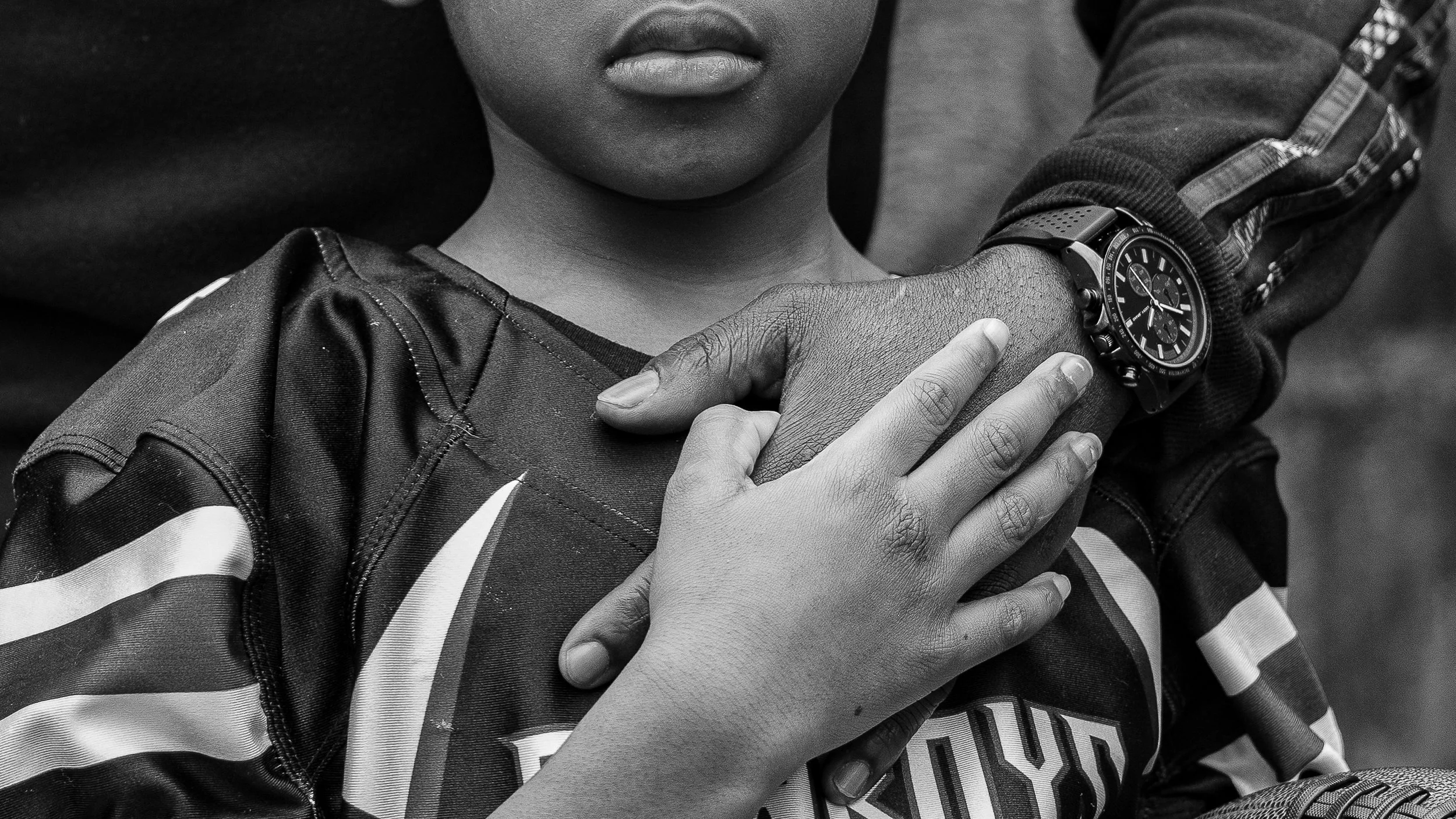
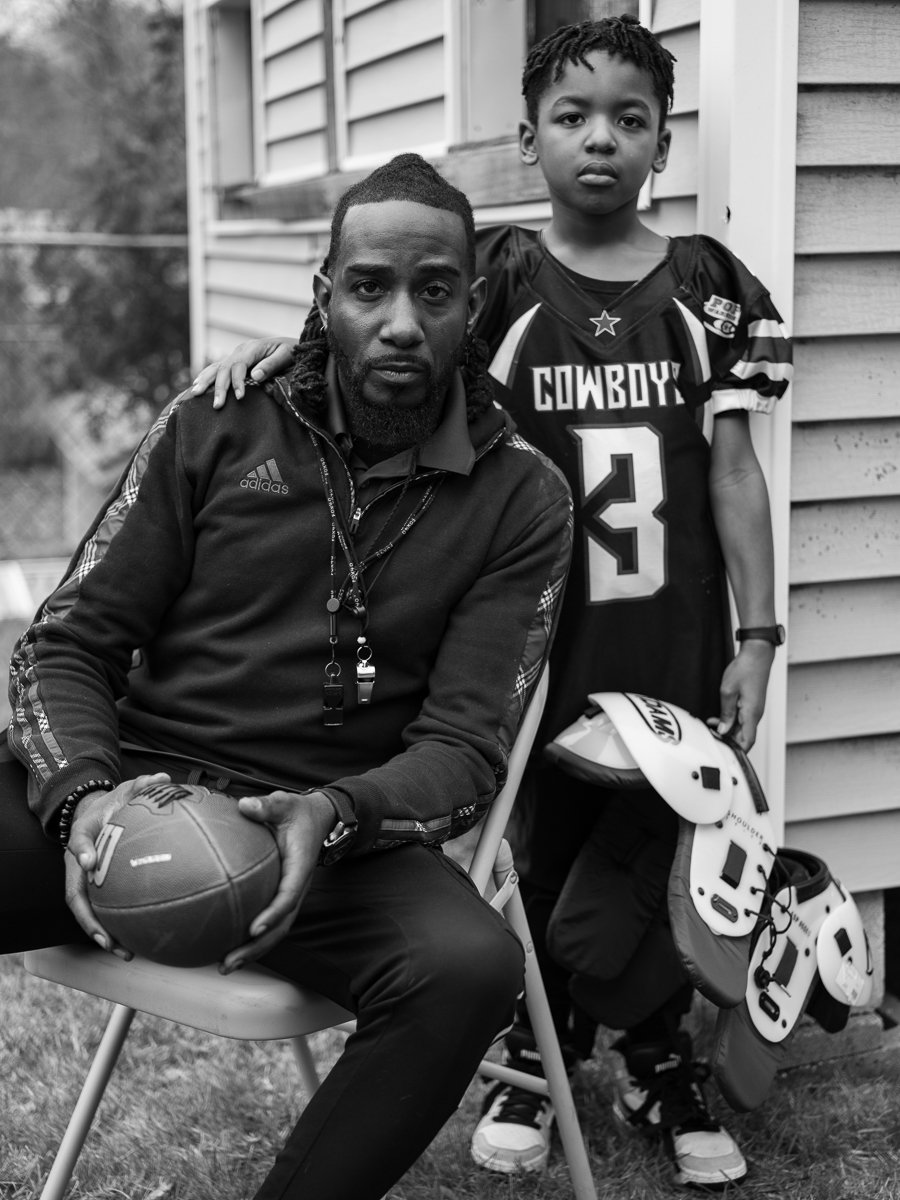
Andre and Joshua. 2023.
CONTEXT
In Good Company is a completed long-form portrait series developed across personal, creative, and extended social circles, forming an intentional constellation of subjects connected through proximity, relationship, and shared presence. The work is currently being developed into a publication, with sequencing, book design, and material selections shaping its final physical form.
FRAMEWORK
The project is structured around a foundational premise: to photograph people through a consistent visual and interpersonal approach, allowing meaning to emerge through accumulation rather than singular narrative.
Within the making of the work, meaning was rarely immediate. Some of the defining relationships within the series became legible only through distance—by returning to the archival proofs over time and recognizing interactions, gestures, and relational dynamics that were invisible in the moment of exposure.
Unbound by a fixed thematic mandate, the project relied on continuity—of attention, of process, and of photographic language—to generate cohesion across varied encounters. The title reflects this orientation: the images are not isolated portraits, but part of a broader consideration of what it means to be in relation to others.
APPROACH & optical systems
Sessions were minimally structured and conversational, allowing subjects to settle into the frame without heavy direction. The approach prioritized sustained attention over performance, with subtle adjustments in posture, gaze, and spatial framing defining the final plates.
• Digital Optics: Fuji GFX 50S II paired with vintage optical systems
• Analog Emulsion: Pentax 67 & Mamiya RZ67 medium-format camera systems
• Lighting: Mixed ambient light and subtle studio setups focused on tonal control and spatial clarity
FORM & OUTCOME
The project is structured as a completed, sequenced body of work rather than a collection of standalone images. Meaning develops through adjacency, pacing, and repetition across the series.
In Good Company functions as a unified portrait record shaped through sustained engagement and return. As a forthcoming monograph, the series reflects both immediate presence and delayed understanding—emphasizing relationship, attention, and the cumulative weight of repeated looking across time.
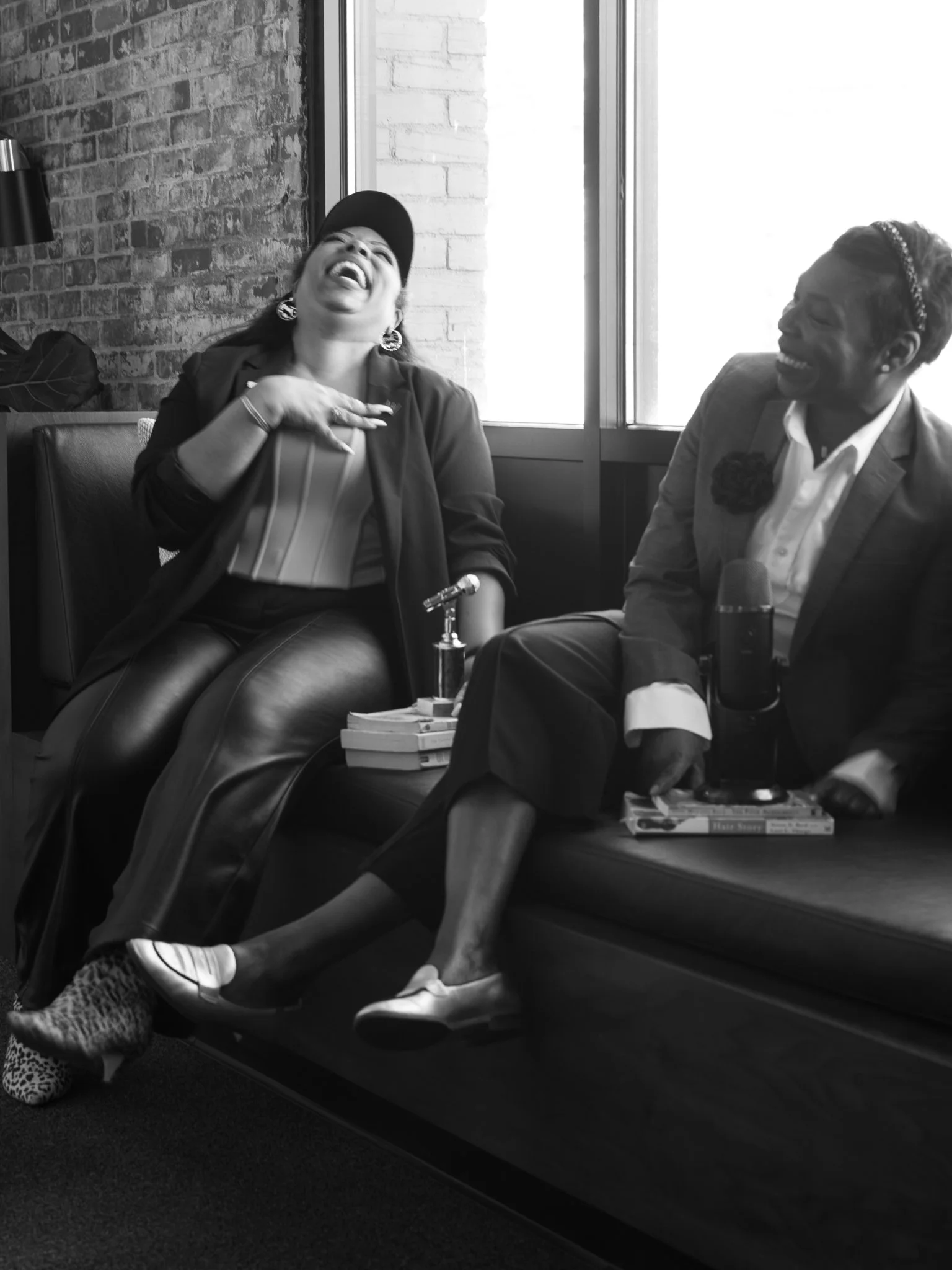
selected monograph plates


COMMISSIONS & INQUIRIES
For monograph inquiries, publication permissions, or long-form portrait studies: